
Blitar: The Art of Slowing Down Between Yogyakarta and Bromo
Between the creative pulse of Yogyakarta and the volcanic drama of Mount Bromo near Malang lies a quiet interlude that many travelers overlook. It does not compete for attention. It does not rush to impress. Instead, Blitar waits – calm, grounded, and quietly transformative.
For international travelers journeying across East Java, the road from Yogyakarta to Malang via Blitar feels natural, almost intuitive. The scenery begins to shift: rice fields stretch wide like green oceans, small villages breathe in slow rhythms, and distant mountains stand like silent guardians. The tempo softens. You are no longer racing toward a destination – you are adjusting to a different pace of being.
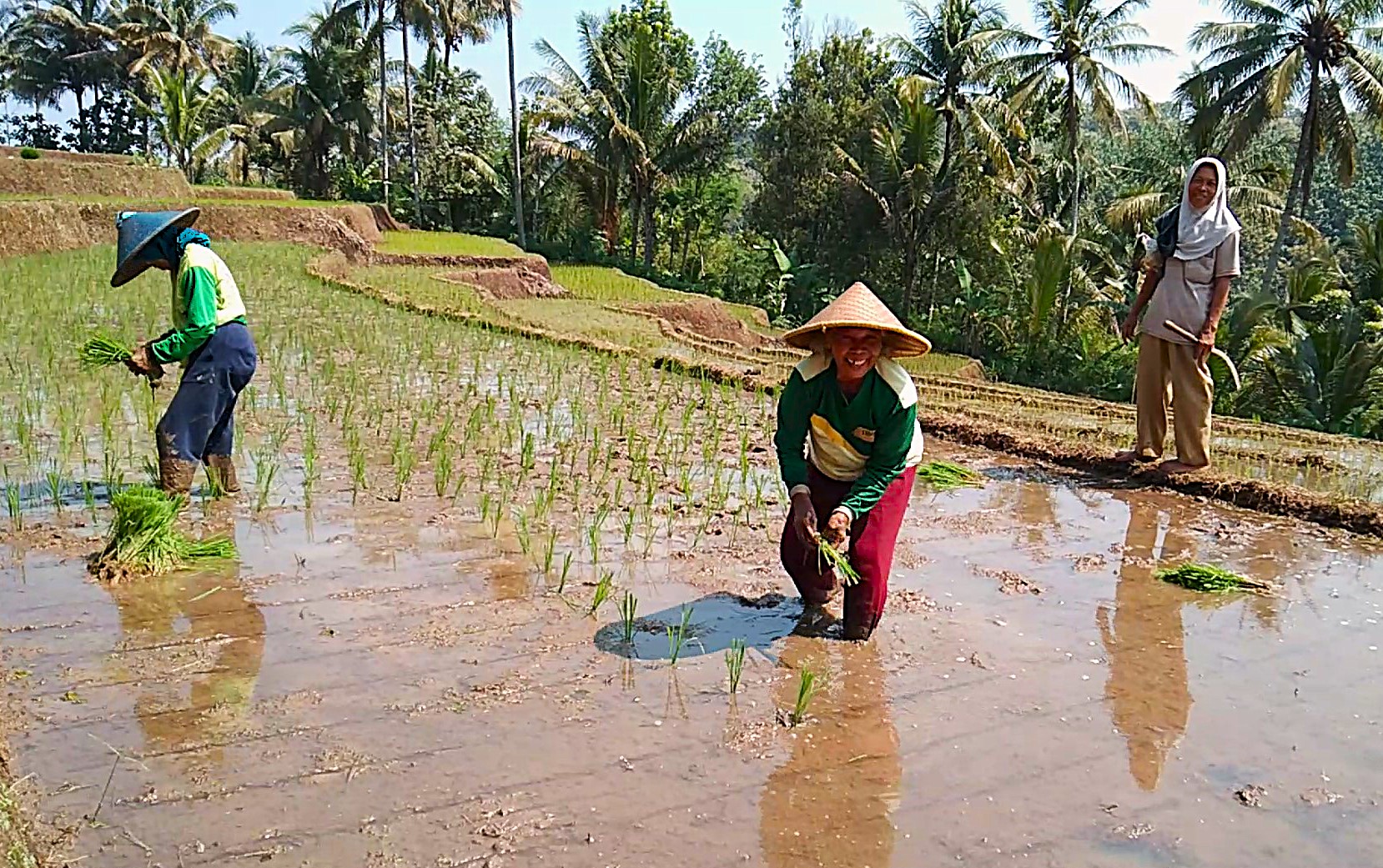
Blitar’s economy tells the same story. Agriculture remains its backbone – corn, rice, coffee, and fragrant spices grown with patience rather than pressure. Local markets trade in cattle, goats, poultry, and home-cooked delicacies. There is no rush-hour frenzy, no grab-and-go culture. Meals are prepared deliberately. Coffee is brewed without urgency. Conversations linger longer than expected.
Walk through a neighborhood street, and you will feel something increasingly rare in modern travel: social rhythm. Neighbors greet one another not out of politeness, but from habit born of connection. Community here is not a trend; it is infrastructure. Cooperation – gotong–royong (mutual assistance) – is alive and visible. In Blitar, social harmony matters more than productivity metrics.
Geography shapes this mindset. Surrounded by fertile land, villages, and mountain landscapes, distances between places are short and human-scaled. Nature sets the tempo. Farmers follow seasons, not stock markets. The sun and rain dictate movement. This environmental rhythm quietly influences the people who live within it.
There is a collective psychology at work – what locals might name nrimo aktif: an active acceptance of life. It is not resignation, but calm resilience. Patience without passivity. Reflection without withdrawal. Blitar does not react loudly to the world’s noise; it responds thoughtfully. And travelers often find themselves unconsciously mirroring that calm.
The impact is physical. Your heartbeat slows. Your breathing deepens. Thoughts untangle. Emotions stabilize. That constant internal urgency – the need to check, scroll, move, plan – begins to dissolve. A subtle sense of “enough” emerges. Without advertising itself as wellness tourism, Blitar becomes a therapy by atmosphere.
For travelers coming down from the adrenaline of Bromo’s sunrise or the vibrant café culture of Malang, Blitar offers decompression. For those heading east from Yogyakarta, it becomes preparation – a gentle grounding before dramatic landscapes rise again. In both directions, it serves as a necessary pause.
Blitar does not promise spectacle. It offers alignment. It reminds you that travel is not only about climbing higher or going farther, but about returning – returning to breath, to body, to balance.
In a journey across Java, where temples, volcanoes, and cities compete for attention, Blitar stands apart by not competing at all. And perhaps that is precisely why it stays with you long after the journey ends.
Tag: adventure, banyuwangi, blitar, blitarstopover, bromo, coffe, culture, eastjava, ecotourism, familytravelers, indonesiaspicingtheworlds, jogja, karimunjawa, kotagede, local, malang, nature, ngaduman, redefineluxury, sabatokaliwuanvibes, slowtravel, soekarnolegacy, spice, traditional, train