
About Us
Credo of the Peaceful Travel Grateful of the opportunity to travel and experience and the world because peace begins with the individual. I affirm my personal responsibility and commitment to: journey with an open mind and gentle heart Accept with grace and gratitude the diversity I encounter Revere and protect the natural environment which sustains all life Appreciate all cultures I discover Respect my thank my host for their welcome Offer my hand in friendship to everyone I meet Support travel services that share these views and act upon them and, Through my spirit, words and actions, encourage others to travel the world in peace "One Earth One Family" (International Institute for Peace Through Tourism - IIPT)
Read MoreServices
We choose to explore nature as our main canvas because research shows that spending time outdoors boosts our well-being. Nature helps clear our minds, eases stress, and lifts our spirits. Plus, it sparks creativity and supports emotional healing.
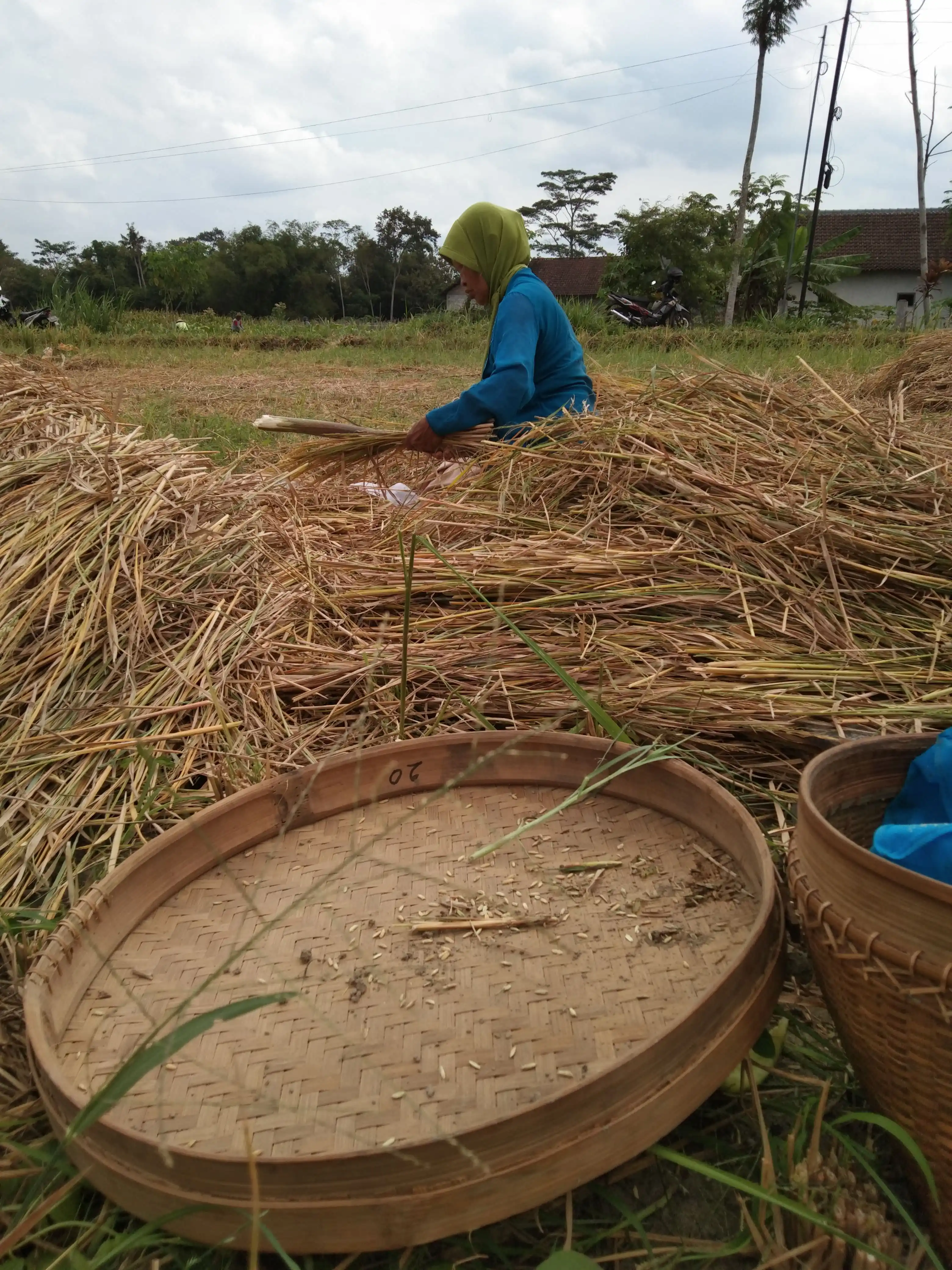
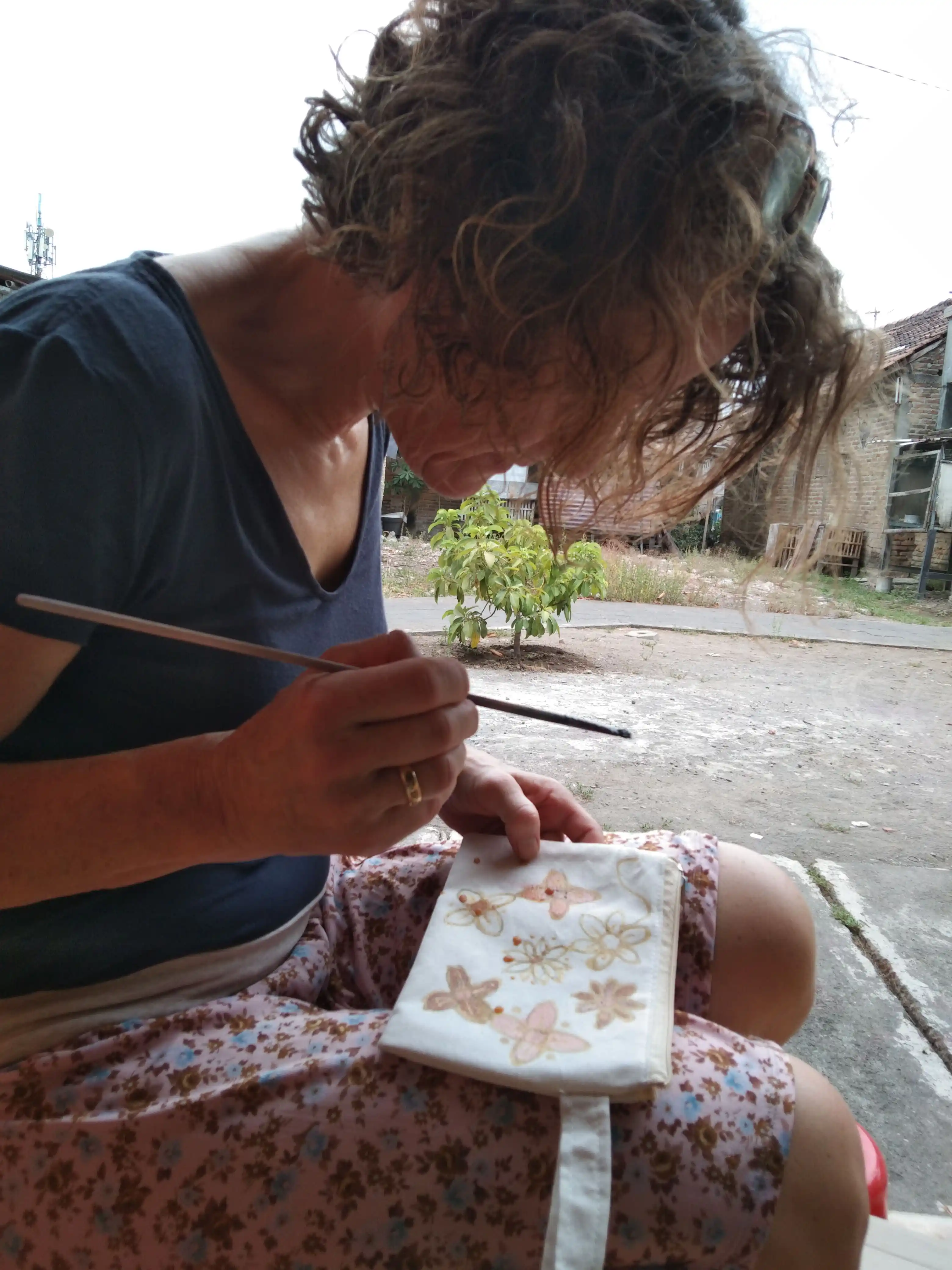
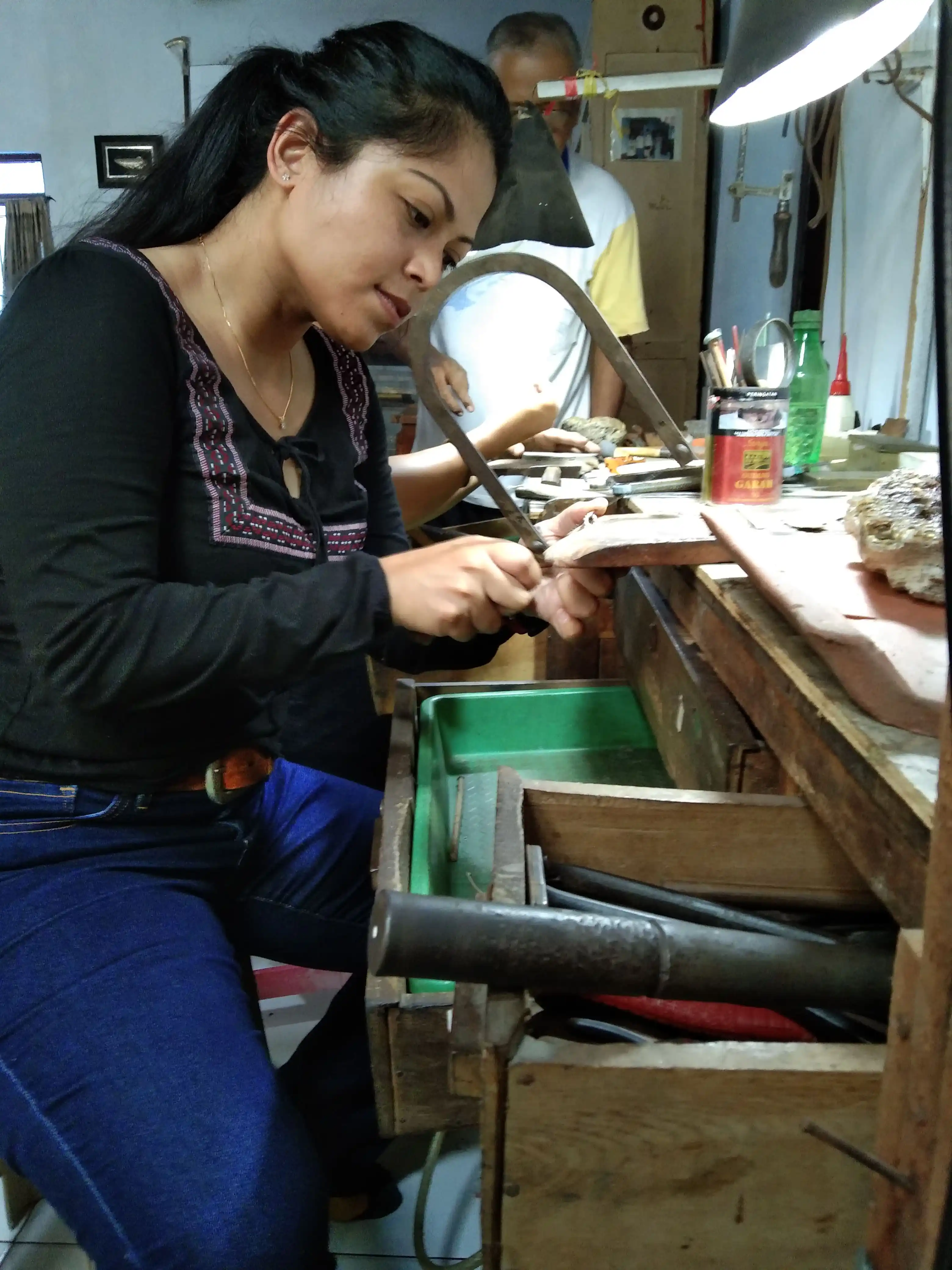
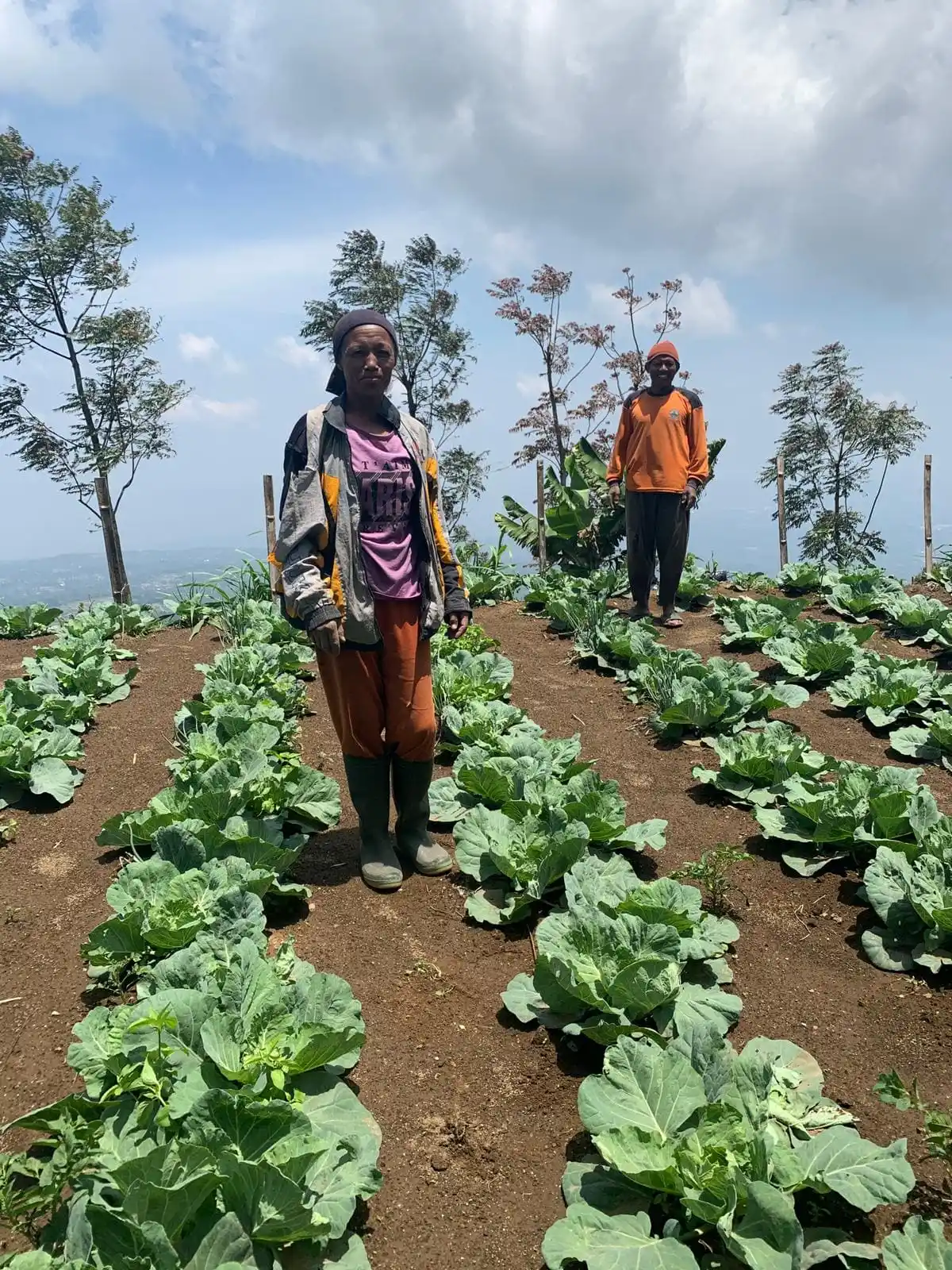
Happy Clients consequuntur quae
Projects adipisci atque cum quia aut
Hours Of Support aut commodi quaerat
Hard Workers rerum asperiores dolor
Destination
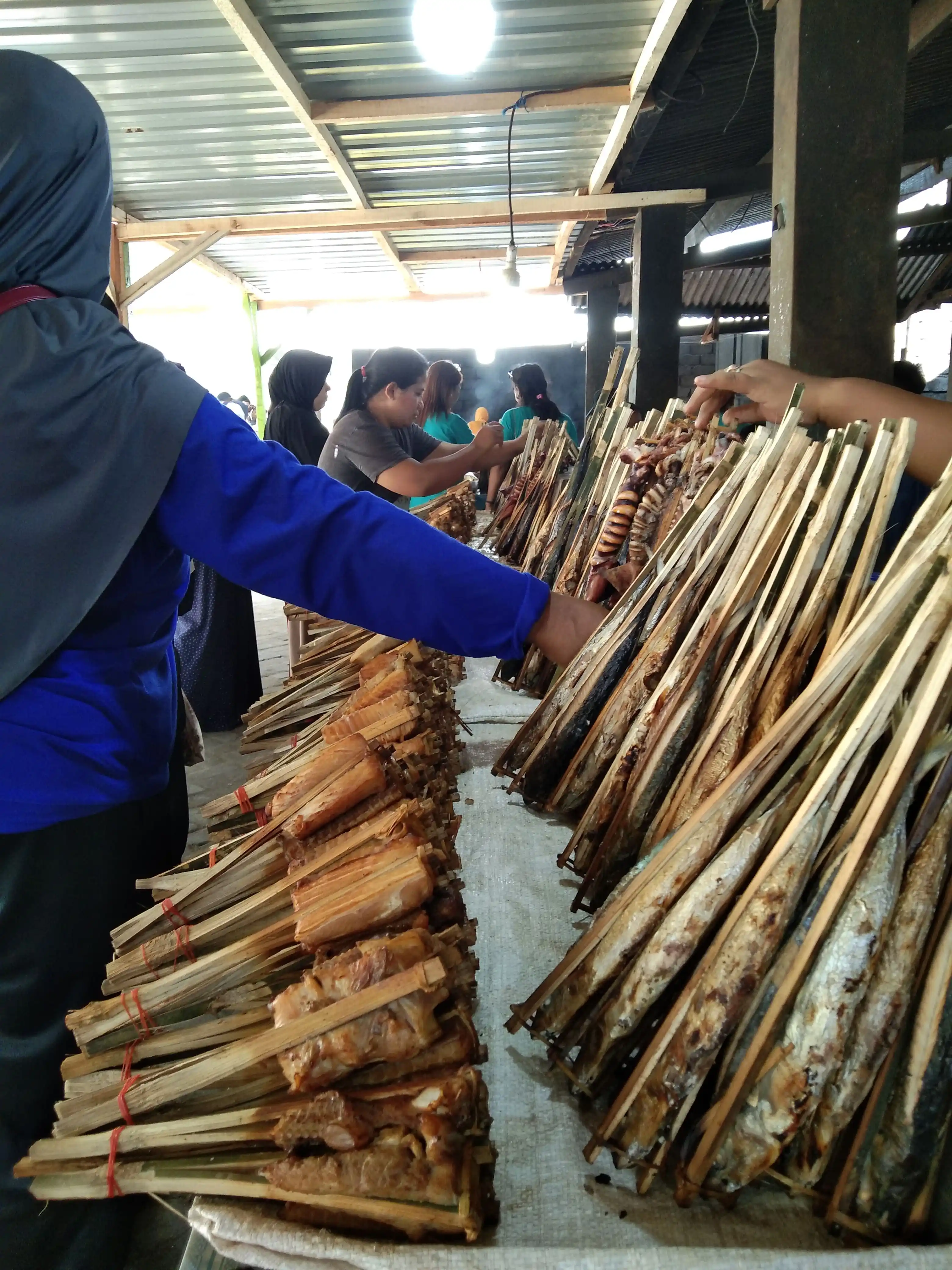
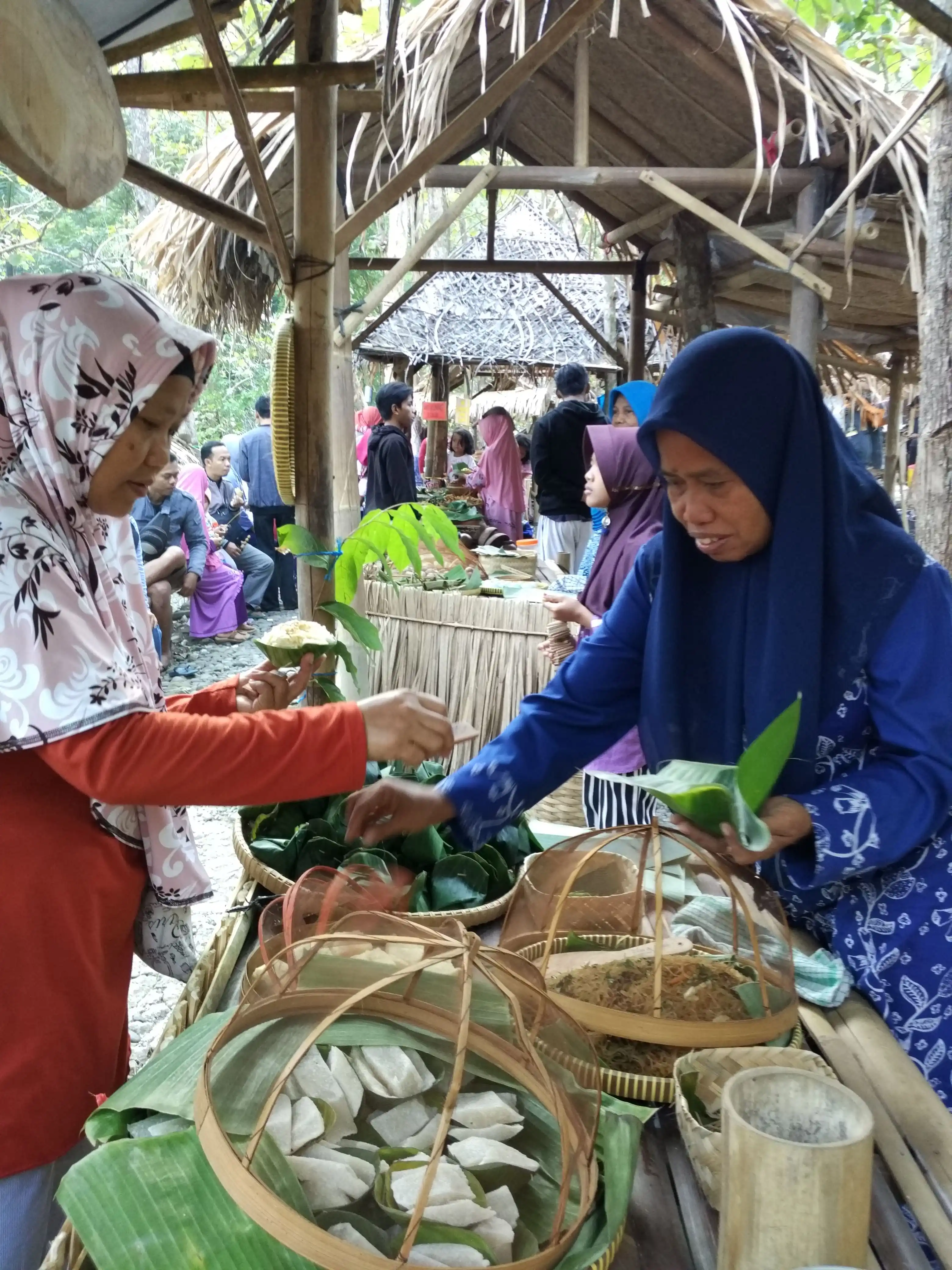
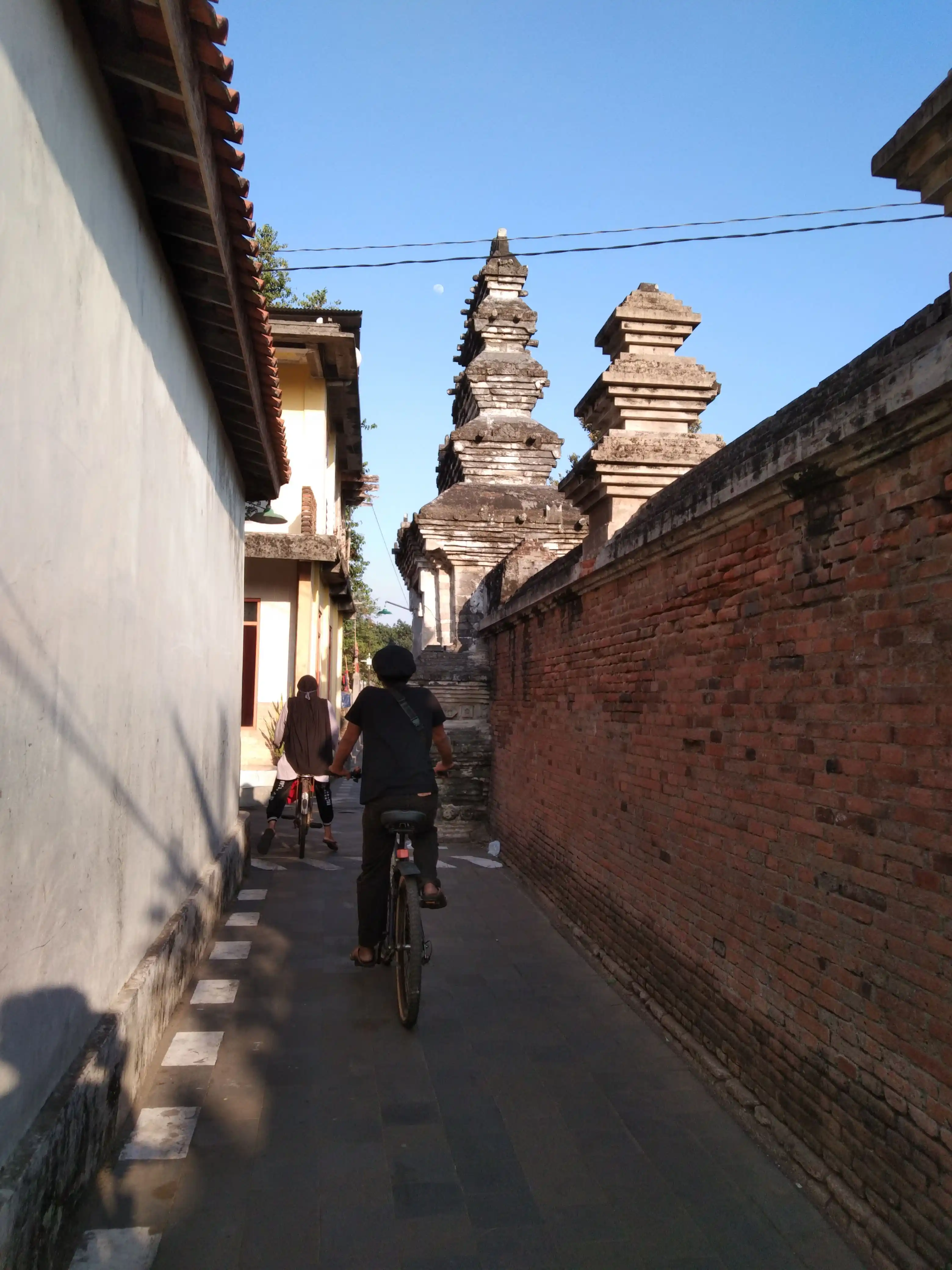
Every destination has its own specshial story that often goes untold, especially in places that aren’t swamped by mass tourism. While many of these spots showcase stunning views, they are also rich in local wisdom and sustainable practices. Each region teaches us valuable lessons about humanity, connection, and solidarity. This strengthens the bond between Sabatokaliwuan and you, our valued travelers. We wholeheartedly encourage you to dive in and fully experience what we cherish.


(1).jpg)
Testimonials
Visiting Java Island in 2009 remains one of the most memorable and meaningful travel experiences of my life. My wife, Rita, and I were fortunate to explore the beauty of Yogyakarta (Jogja) and its surroundings under the expert guidance of Wha-wha, who has since become a dear friend. Wha-wha’s knowledge, humor, and kindness made every moment unforgettable, and we felt like we were traveling with family. Climbing Mount Merapi was an awe-inspiring adventure. Standing at the summit, surrounded by mist and the raw energy of nature, was both humbling and exhilarating. The trek up Mount Merbabu via Ngaduman village was equally breathtaking. We were captivated by the lush forests, panoramic views, and the quiet beauty of the path—a stark contrast to the dynamic intensity of Merapi. Our journey to Gunung Kidul Beach brought a different kind of wonder. The serene coastline, dramatic cliffs, and crystal-clear waters were a feast for the senses. It was the perfect way to relax after the climbs and take in Indonesia’s diverse natural beauty. As a musician, I was particularly inspired by the rhythm of life in Java—its vibrant culture, natural beauty, and warm-hearted people. The islands of Indonesia have left a lasting impression on me, and I can’t wait to return to explore even more. Traveling through Java with Sabato Kaliwuan guidance and friendship showed us the soul of Indonesia—its landscapes, culture, and people. It was an adventure we will treasure forever. Warm greetings to Sabato Kaliwuan and to Wha-wha for creating such incredible memories. Here’s to more fun cruising adventures with friends!
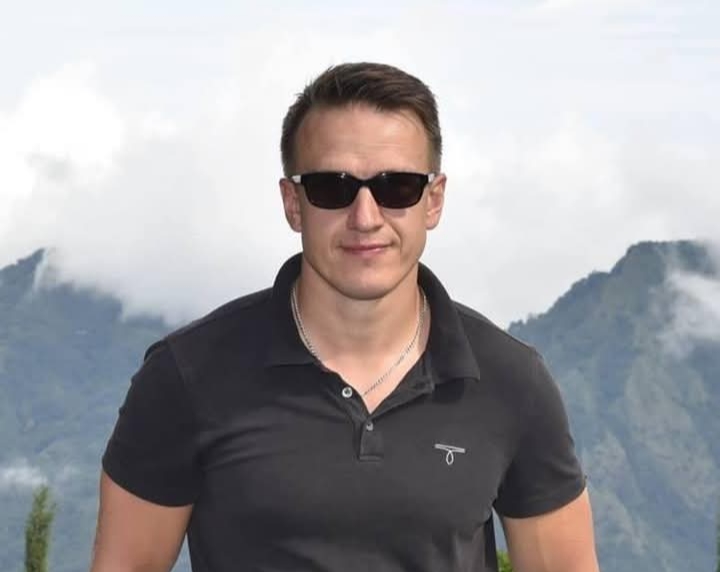
Marcin Pulawski
Musician from Edinburgh
"Kawan jelajah yang menyenangkan". TT berasal dari Singapura. Dia berprofesi sebagai eksekutif pemasaran yang sangat gemar mengadakan perjalanan-berpetualang. Dia tak sekadar traveler, namun hobi fotografi karena dia seorang pengamat burung. Dan, dia Polyglot. Diantara bahasa yang fasik dia kuasai bahasa Indonesia dan bahasa Jawa (Krama Inggil, Krama Masya, dan Krama Inggil) plus menulis aksara Jawa. Jangkauan jelajahnya beberapa negara termasuk Jawa- Jogja Menjelajah beberapa tempat di Jogja, salah satunya ke lereng Gunung Merapi. Selain ingin mengenal sejarah dan budaya masyarakat lereng gunung, sebagai pengamat burung, dia ingin mengamati berbagai jenis burung lokal. "Menurut saya (TT), Sabato Kaliwuan sangat berpengetahuan tentang sejarah dan mitologi lokal, yang memang sangat menarik bagi saya. Sebagai wisatawan yang pertama kali ke Indonesia, saya bersyukur dia menunjukkan banyak tempat yang hanya diketahui oleh penduduk setempat. Dia juga memiliki kemampuan untuk menghubungkan sejarah yang kami pelajari dengan kebijakan dan perkembangan masyarakat saat ini, sehingga membuat pengalaman wisata saya jauh lebih bermakna. Terakhir, dia adalah pengemudi yang aman yang berkomitmen untuk memberikan yang terbaik bagi kliennya. Kini, setelah bertahun-tahun, kami masih tetap berhubungan sebagai teman. Saya sangat merekomendasikan Sabato Kaliwuan bagi siapa saja yang ingin menjelajahi Indonesia dengan cara yang lebih mendalam dan penuh makna."
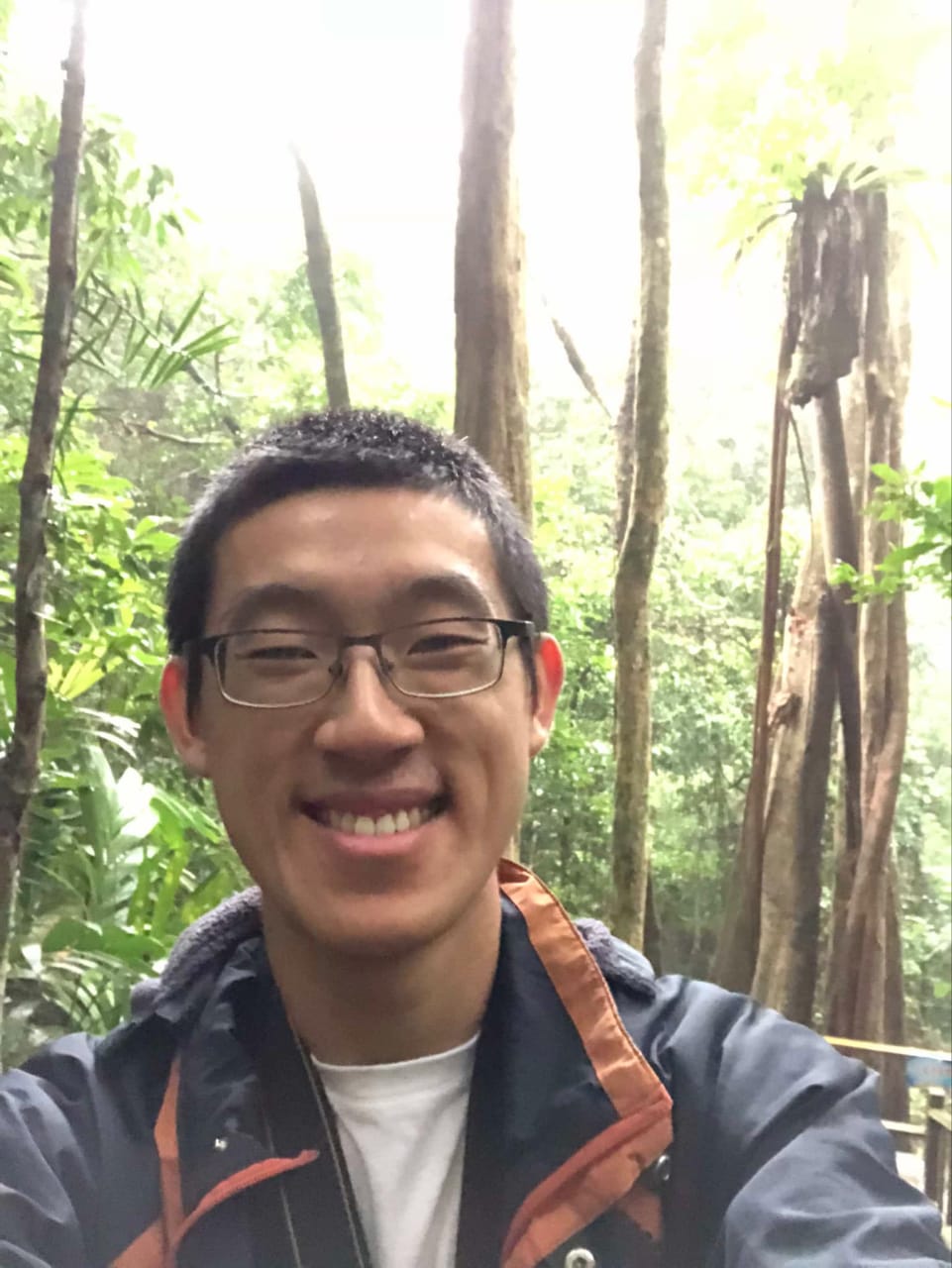
TT
Eksekutif Pemasaran dari Singapura
Onze reis naar Yogyakarta was onvergetelijk, en dat kwam in grote mate door de ongelooflijke gastvrijheid en expertise van Sabato Kaliwuan, de persoon die ons alles liet zien en ons diep in de cultuur van deze prachtige stad onderdompelde. Sabato was niet zomaar een gids – hij was onze sleutel tot de verborgen schatten van Yogyakarta. Zijn enthousiasme, kennis en oprechte passie voor zijn stad en cultuur maakten elke ervaring extra speciaal. Wat deze reis echt bijzonder maakte, was de manier waarop Sabato ons de verborgen kanten van Yogyakarta liet zien – de plekken die je normaal niet zou ontdekken, de mensen die je niet zomaar zou ontmoeten. Hij liet ons de stad door zijn ogen zien, en dat veranderde alles. Elke rit, elke stap die we zetten, voelde als een avontuur dat ons dichter bij de ziel van Yogyakarta bracht. En dan het eten… Sabato introduceerde ons aan de lokale lekkernijen op een manier die we nooit hadden verwacht. De saté die we proefden op straat was niet zomaar voedsel – het was een stukje cultuur, een moment van pure vreugde. Sabato zorgde ervoor dat we niet alleen proefden, maar ook de verhalen achter de gerechten leerden kennen, waardoor elke maaltijd een diepe betekenis kreeg. Sabato Kaliwuan was de brug tussen ons en de echte Yogyakarta. Dankzij hem hebben we niet alleen een reis gemaakt, maar een ervaring gehad die ons voor altijd zal bijblijven. Hij gaf ons niet alleen zijn tijd, maar ook zijn hart, en dat maakte onze tijd in Yogyakarta buitengewoon bijzonder. Hij leidde ons niet alleen naar de mooiste plekken, maar gaf ons ook de kans om lokale tradities van dichtbij te ervaren. Echt heel erg de moeite om Wha Wha je mee te laten nemen op je mooie reis
Carmen Westercamp Boustanji
Nederlands
Suasana hati segera berganti jadi senang manakala aku punya rencana perjalanan. Traveling memotivasiku untuk menjalani hari dgn sukacita dan gairah untuk punya raga yg sehat agar perjalanan ketempat tujuan menjadi menyenangakan. Tempat baru membuatku ingin segera mengetahui dan merasakan suasana yg akan memberiku pengalaman dan rasa yg beda dari tempat lainnya. Tempat yg pernah ku tapakkan langkah membuatku rindu untuk menyapanya kembali. Sabato kaliwuan adalah teman yg sering mengiringi tapak tapak kakiku menyusuri tempat2 yg di ciptakanNYA, selalu syukurku mengiringi setiap perjalanan yg membuat aku rindu untuk kembali menyapa seperti NGADUMAN dengan ketulusan setiap sapa yg kudapat dari penduduknya, ketenangan alam dan lingkungannya… selaku terlukis di benakku.

Sally
Traveler - Photographer Jakarta-Indonesia
In 2016 we had wonderful experiences and unforgettable moments on the trip to the volcanoes. We were three generations. I, my mother and then my 13-year-old daughter felt good and safe with the tour guide Sabato. We were able to admire the beautiful landscape on the trip to the volcanoes, which brought us closer together as a family and my daughter was very proud to have climbed the volcanoes (Bromo and Ijen Crater) which gave her a lot of self-confidence. Thanks to the tour guide, I can only recommend it 😊.
Daria Radwanska , Hamburg, Germany
Traveler
Abbiamo visitato l’isola di Java in Agosto 2023 partendo da Yogyakarta dove abbiamo conosciuto subito Wha-Wha la nostra guida. Grazie a lui e alla sua esperienza abbiamo vissuto dei giorni fantastici alla scoperta delle principali attrazioni dell’isola. Wha-wha ci ha accompagnato in tutti i giorni in cui siamo stati a Java affrontando con noi ogni esperienza facendoci sentire sempre al sicuro e dispensando storie dell’isola, di come convivano le varie religioni e la tradizione culinaria. Una splendida persona oltre che una guida formidabile che aumenterà il valore del vostro viaggio in Indonesia. Grazie ancora Wha-Wha
.jpeg)
Andrea Ponziani e Federica, Rome, Italy
Traveler
Wha-Wha was mijn gids naar de Borobudur tempel en de Prambanan tempel. Hij adviseerde om heel vroeg te vertrekken om de magische zonsopkomst bij de Borobudur mee te maken. En magisch was het! En Wha-Wha weet ook veel mooie plekken in en om Jogjakarta voor een tussenstop. Zo heeft hij nog een rondleiding geregeld op een prachtig resort waar wereldsterren verblijven. Ik kan Wha-Wha van harte aanbevele

Geert IJszenga, Amersfoort - Nederland
Traveler
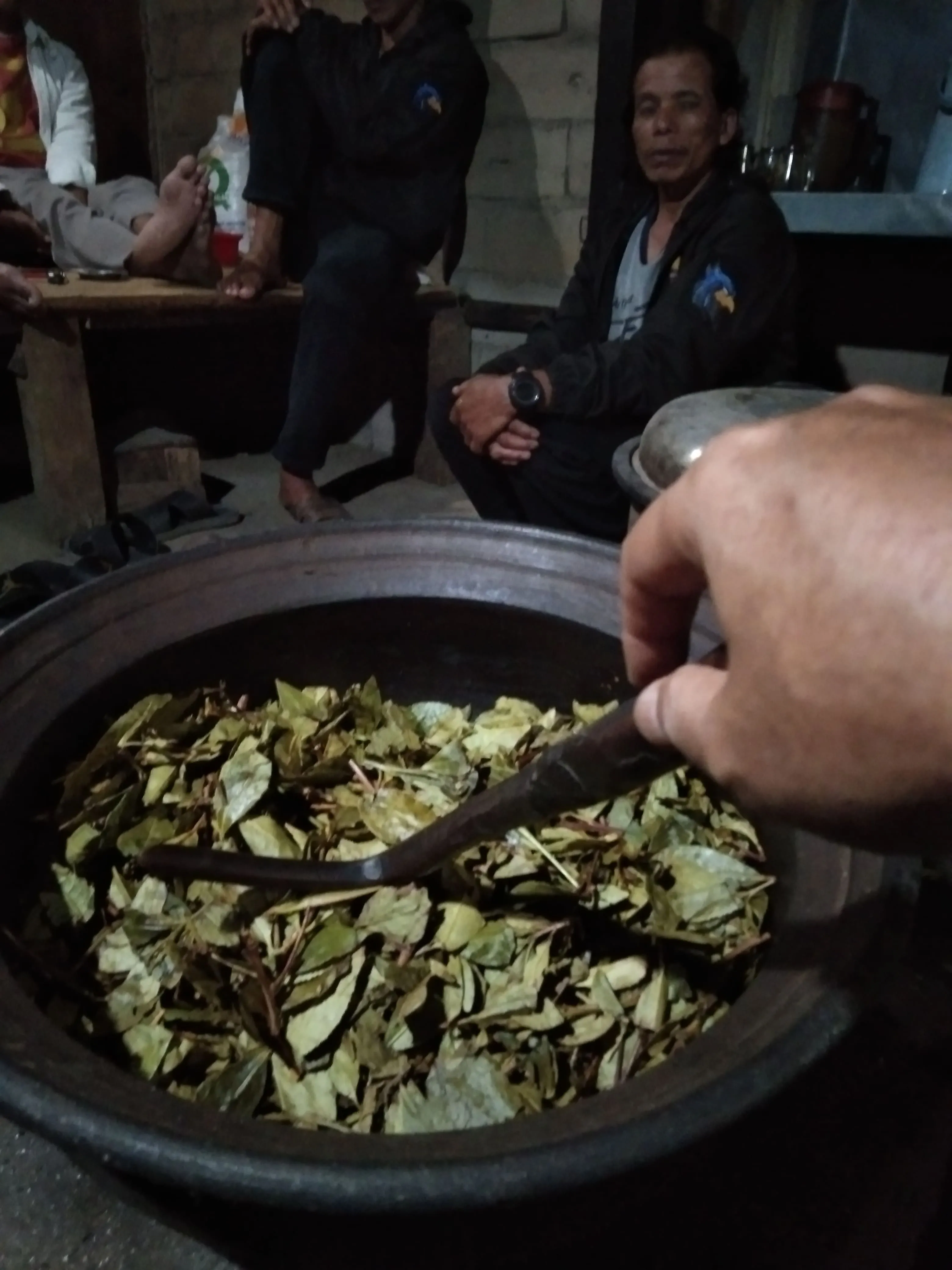
Sebagai seorang seniman traveling adalah modal mendapatkan inspirasi, imajinasi, ide untuk menghasilkan ciptaan suwatu karya. Saya bersyukur bertemu dengan SabotoKaliwun yang mengantarkan saya ke sebuah desa di lereng gunung Merbabu. Desa Ngaduman ...desa yang tenang , religius dan jauh dari hiruk pikuk kota. Panduduk disana ramah dan kekeluargaan membuat saya betah berlama-lama disana rasanya seperti keluarga saya. Saya tinggal 2 hari disana saya mencoba mengikuti aktivitas mereka petani sayur dan ternak sapi. Di sela-sela waktu saya menyempatkan melihat pemandangan yang menajubkan di Ngaduman. Waktu yang tidak pernah saya lupakan di sore hari menjelang malam setelah seharian beraktivitas...mereka berkumpul dan bercengkrama di dapur, menghangatkan badan dengan kayu bakar...membuat suwasana yang akrab seperti saya sudah lama mengenal mereka. Sepertinya saya ingin kembali lagi di Ngaduman suwatu hari nanti. Ngaduman mengajarkan saya ketenangan dan kesederhanana. Pastinya mengisi inspirasi saya sebagai seniman. Terima kasih untuk SabotoKaliwun yang mengantarkan saya ke tempat yang luar biasa. Nany
